ABOUT
The team
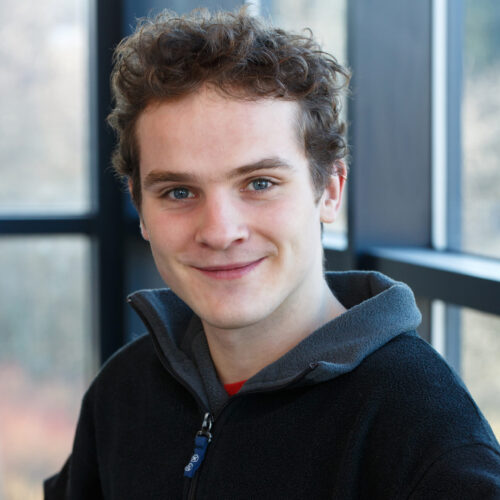
Edwin Agnew
Mathematical Intern
Edwin joined the Smith Institute in September 2023 as a Mathematical Intern. Prior to this, he obtained a Master’s in Mathematics and the Foundations of Computer Science from the University of Oxford, writing a dissertation on the mathematical structure of a certain graphical language for quantum computing. He also holds an undergraduate degree in Computer Science, Mathematics and Philosophy from Duke University, USA.
Outside of work, you can usually find Edwin reading, climbing things or engaging in pointless arguments. He is currently learning to knit and may produce his first scarf by the end of next year
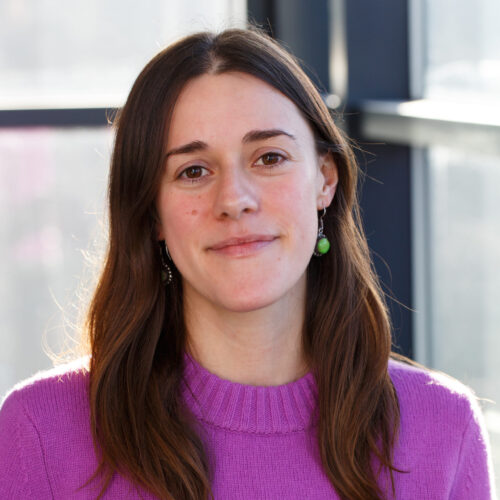
Dr Emilia Alvarez
Mathematical Consultant
Emilia started as a Mathematical Consultant with the Smith Institute in July 2022 and completed her PhD in Mathematical Physics at the University of Bristol in September 2022. She researched statistical properties of random matrices, which are useful for modelling complex correlated systems such as those found in nuclear physics, networks, finance, and number theory. She completed her undergraduate studies in Pure and Applied Mathematics at Concordia University in Montreal, Canada with an Honours thesis on random matrix theory and number theory.
Emilia is also a keen surfer and open water swimmer and is currently learning to dance salsa and to speak Greek.
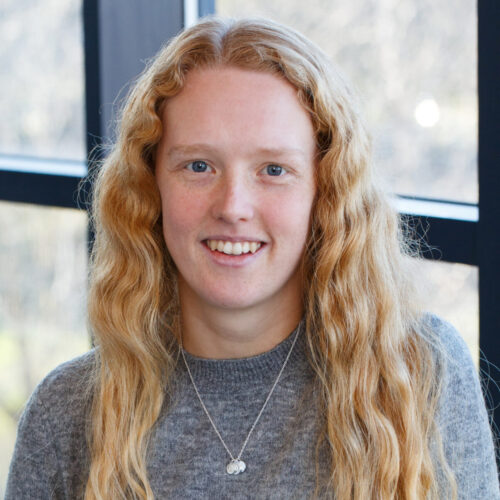
Cecilie Anderson
Mathematical Intern
Cecilie joined the Smith Institute in January 2024 as a Mathematical Intern. She obtained an MMath from Magdalen College, Oxford and is now in the final year of a PhD at the University of Bath. Her research focuses on applying asymptotic techniques to a class of problems from fluid mechanics.
Outside of work, Cecilie enjoys orienteering and running. She regularly represents Great Britain at international orienteering races
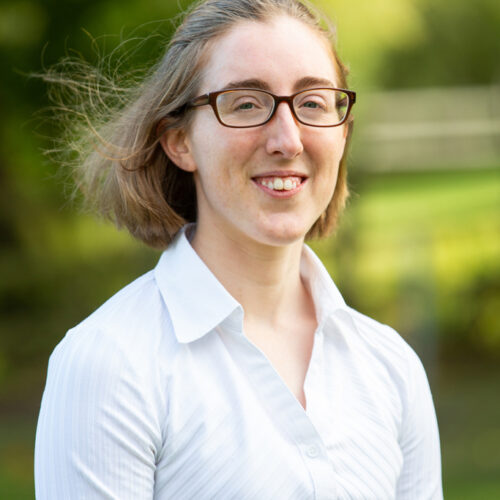
Dr Miriam Apsley
Mathematical Consultant
Miriam Apsley joined the Smith institute in February 2022.
She has been carrying out research on continuum-scale battery simulation for a PhD in physics at the University of Cambridge. Prior to this she did an MPhil in scientific computing involving research into radiative models for the simulation of lightning strikes on aircraft. She also holds an MMath from the University of Cambridge.
Outside of work she enjoys doing triathlons, baking and reading.
Dr Connor Armstrong
Mathematical Consultant
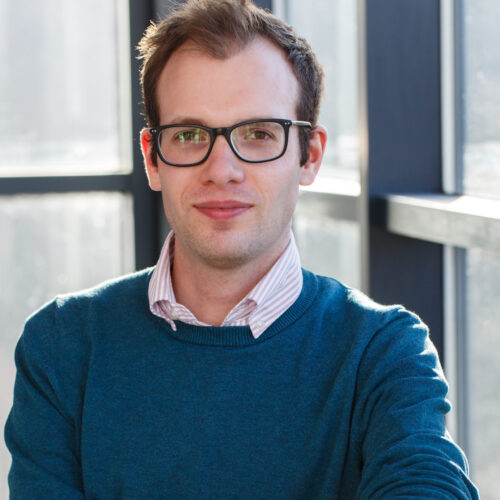
Connor joined Smith Institute in August 2023 as a Mathematical Intern. Before that he completed a Mathematical Physics PhD at the University of Durham specialising in particle theory, studying scattering amplitudes of fundamental particles and their applications in gravity and cosmology. He also has a Theoretical Physics MSci from Royal Holloway.
In his spare time, Connor enjoys walking, rock climbing and dabbling in sound tech. He is also an avid SciFi reader and occasional player of tabletop games.
Lorna Ashton
Business Development Manager
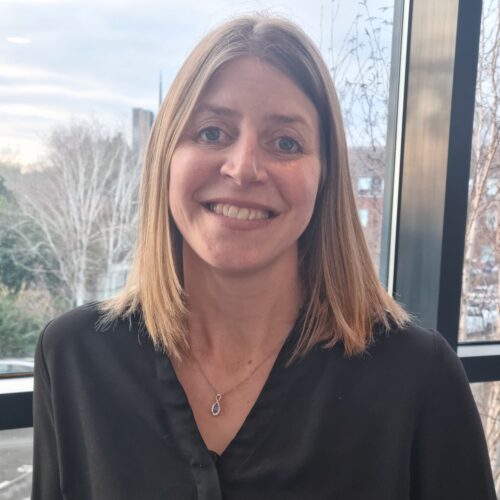
Lorna Ashton joined the Smith Institute in November 2022 as a Business Development Manager.
She has a Bachelor of Arts in French and Spanish from the University of Manchester, a Post-Graduate Certificate in European Business Management from the Manchester Business School and a Secondary PGCE from the University of Reading.
Prior to joining Smith Institute, she worked in Sales and Business Development within the academic publishing sector, supporting customers in Southern Europe.
In her spare time, Lorna enjoys spending time outdoors: road cycling in the beautiful South Downs, countryside walks with her family, swimming, watching rugby and socialising with friends. She also loves travelling and exploring new places and cultures.
LinkedIn: https://www.linkedin.com/in/lorna-ashton
Dr Jamie Beacom
Senior Mathematical Consultant
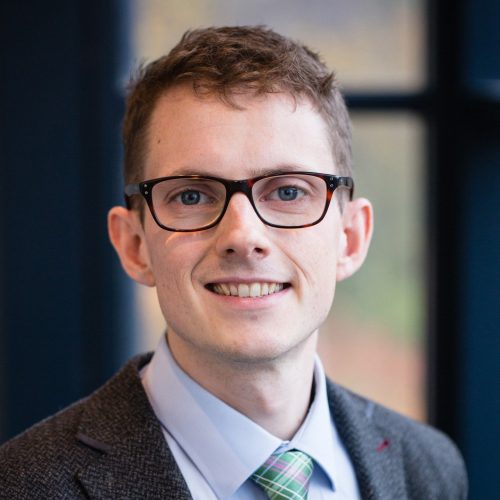
Dr Jamie Beacom joined the Smith Institute in July 2019. He holds a DPhil in algebraic number theory and arithmetic geometry from the University of Oxford, where he also completed an MMath. His research involved developing and implementing explicit algorithms towards understanding rational points on curves. During the course of his DPhil he also taught undergraduate students across a range of subjects in pure mathematics.
Outside of work he enjoys salsa dancing, gardening, cooking (and eating), travelling (to sample local food), reading (mostly sci-fi, fantasy and history) and running. In April 2019 he ran the London Marathon, raising money for Versus Arthritis. He’s also interested in conversations around mental wellbeing, having previously volunteered for confidential support lines.
Jamie is a Mental Health First Aider for the Smith Institute after completing training with MHFA UK in January 2020

Dr Kim Becker
Mathematical Intern
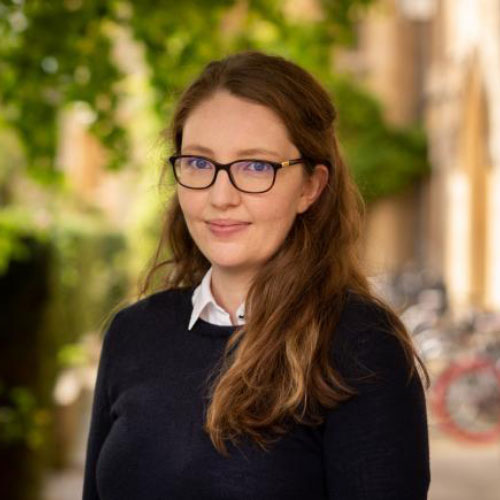
Dr Kim Becker joined the Smith Institute as a Mathematical Intern in January 2024. Prior to this, Kim completed her PhD in Statistics from Oxford University. In her research, Kim studied the mathematics of hybrid zones, which occur when two plant or animal species live close to one another and can interbreed where their populations meet, forming a `zone’ of hybrid individuals between them. Kim also obtained a Master of Philosophy in differential geometry and a Bachelor of Mathematical Sciences from The University of Adelaide, Australia. Kim is passionate about EDI in the sciences, and loves rowing, reading, and cross-stitching.

Julian Beda
IT Apprentice
Julian joined the Smith Institute in September 2023 as an IT Apprentice, supporting Nigel and Caroline in an IT capacity, and will work towards a degree in Digital and Technology Solutions.
Outside work, Julian enjoys reading novels and occasionally spending his time playing a variety of computer games. He also likes learning about technology and using it where applicable.
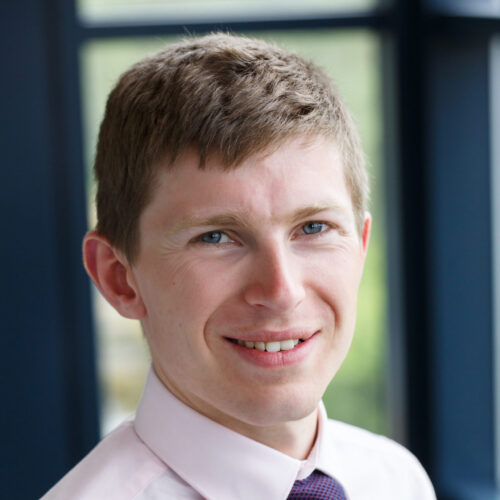
Dr Cameron Booker
Mathematical Consultant
Cameron joined the Smith Institute in April 2022 after finishing his DPhil in Theoretical Physics at the University of Oxford. His research studied the dynamics of strongly interacting quantum systems in the presences of noise and dissipation with the hope of eventually applying this understanding to the development of more robust quantum technologies.
Prior to his time at Oxford, Cameron completed his undergraduate and master’s degrees in mathematics at the University of Cambridge, where he specialised in applied mathematics and theoretical physics.
In his free time Cameron enjoys all things active and can often be found running, cycling and trying not to sink while training for his next triathlon.
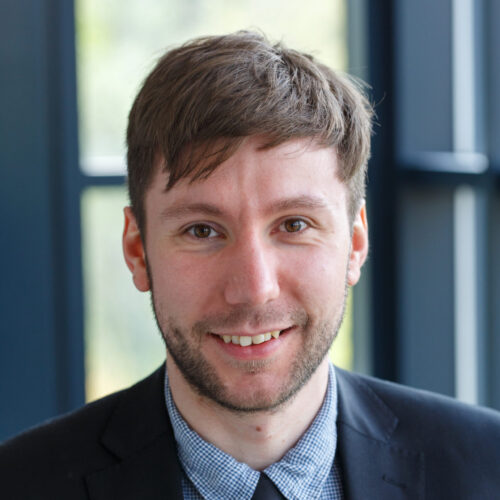
Dr Alex Bowring
Mathematical Consultant
Alex Bowring joined the Smith Institute as a Mathematical Consultant in November 2021.
Prior to this, Alex completed an Early Career Research Fellowship in Neuroimaging Statistics at the University of Oxford, where he investigated how heterogeneity in analytic approaches could lead to variation in functional neuroimaging results. Alex holds a BSc in Mathematics from the University of Warwick, and a DPhil in Population Health from the University of Oxford, where he developed novel statistical techniques for analysing task-based functional MRI data.
Outside of work Alex is passionate about music, and loves to play the electric bass guitar.
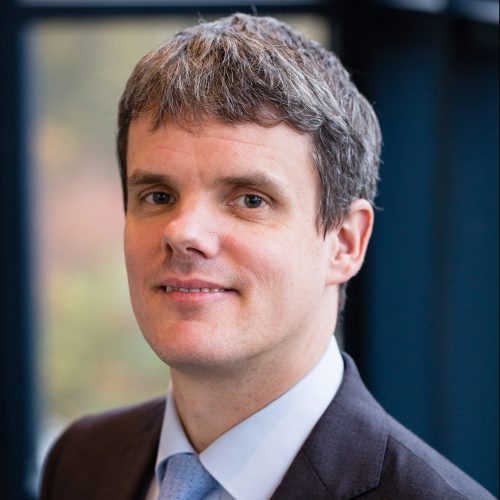
Dr Tim Boxer
Principal Consultant
Dr Tim Boxer joined the Smith Institute in 2002.
Previously, he worked for ArjoWiggins as a Diagnostic Engineer, where he worked on time series and signal analysis, flow through compressible porous media and linear elastic beams.
More recently Tim’s interests have developed into the areas of probabilistic modelling and decision making under uncertainty. Tim holds a PhD in modelling industrial processes from UMIST, and an MSc in Industrial Applied Mathematics from the University of Southampton.
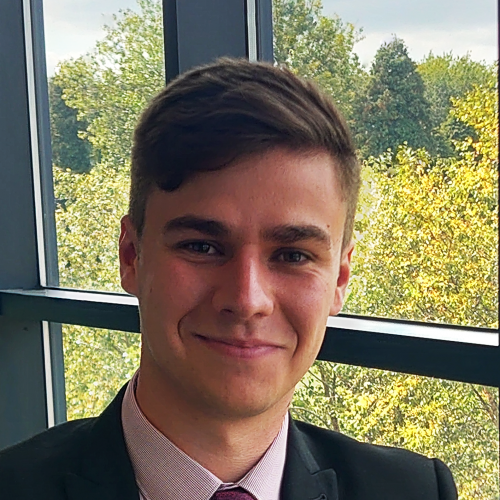
Tom Bradbury
Business Development Manager
Tom Bradbury joined the Smith Institute in September 2020 as a Business Development Analyst. He has been a Business Development Manager since October 2021 and focusses his work on the transport sector.
Tom holds a BSc in Mathematics from the University of Bath and studied a mixture of theoretical and applied modules throughout his degree, including in other fields such as biology and economics.
He also completed an industrial placement during his time at university, working in financial analytics and digital marketing roles for an automotive company.
In his spare time Tom is a sports fan and particularly enjoys watching football and rugby. He also likes to travel and experience new foods and cultures.
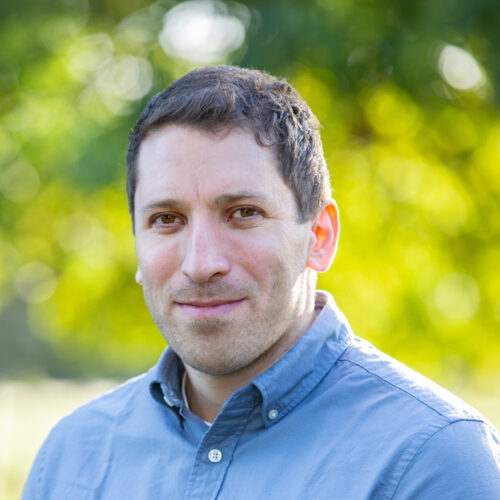
Adam Brummitt
Marketing Manager
Adam Brummitt joined the Smith Institute as Marketing Manager in August 2022.
Before this, he worked at a marketing agency focusing on strategy development for business-to-business clients in the technology sector.
Outside of work, Adam enjoys going to the gym, watching as much sport as he can get away with, and spending time with his young family.
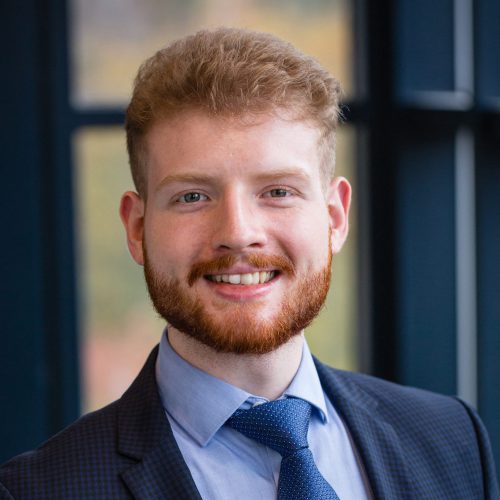
Charles Choyce
Account Manager
Charles Choyce joined the Smith Institute in September 2019.
He holds an MMath in Applied Mathematics from the University of Warwick with a speciality in Fluid Mechanics and Dynamical Systems.
During his masters he worked on traffic flow modelling, specifically investigating the effects predictable from the introduction of autonomous vehicles to our roads.
Outside the office Charles enjoys cooking, travelling and is an avid amateur artist
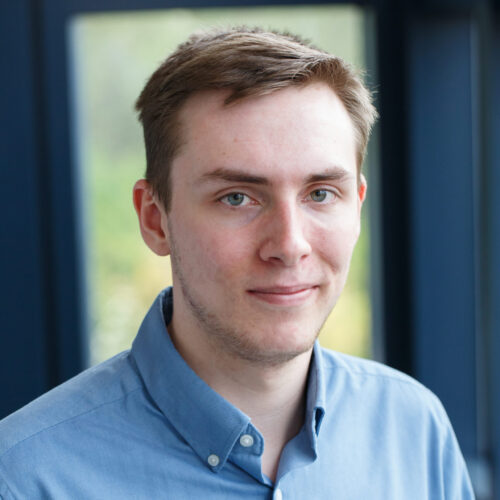
Jack Cowmeadow
IT Apprentice
Jack joined the Smith Institute in August 2021 as an IT Apprentice following the competition of his A-Levels, and will work towards a degree in Digital and Technology Solutions.
Outside of work, Jack enjoys playing a variety of online and board games with friends and taking his dog for long walks. He is also an avid follower of Formula 1.
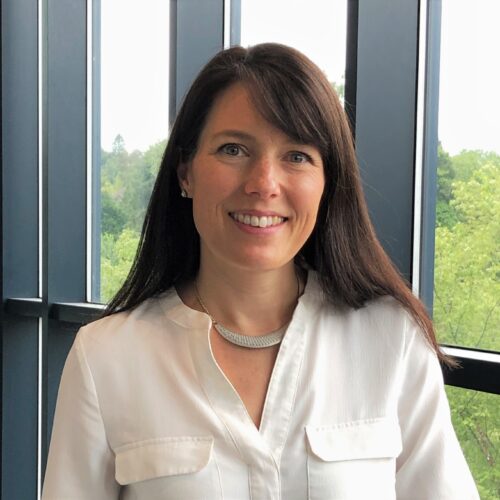
Rachel Dalton
Chief Financial Officer
Rachel Dalton joined Smith Institute in January 2021 as CFO. Rachel qualified as a Chartered Accountant with Deloitte & Touche in 2000. She has spent her career working in both the not-for-profit and commercial sectors. Rachel holds a BSc in Mathematics & Psychology from Royal Holloway, University of London and an MSc in Development Finance from the University of Reading. In her spare time Rachel enjoys running and travelling.
Dr Tom Dobra
Mathematical Consultant
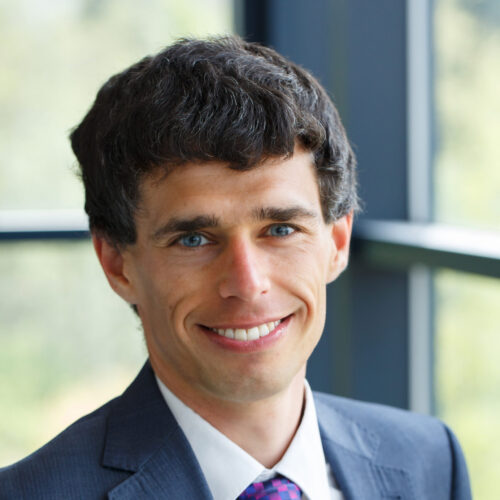
Dr Tom Dobra joined the Smith Institute in July 2021. He holds a PhD in fluid dynamics specialising in internal waves within the oceans, with experimental and theoretical work undertaken jointly between the Universities of Bristol and Cambridge. Prior to this, he completed his MMath at the University of Cambridge. During his PhD, he has taught fluids, programming and mathematical methods to engineering students and more recently privately tutored for GCSE and A-level maths.
Most weekends, Tom competes in orienteering and has represented Great Britain in TrailO since 2015. He also runs several times per week and enjoys trips to the mountains for hillwalking and skiing.
Dr Caroline Edwards
Head of Computing
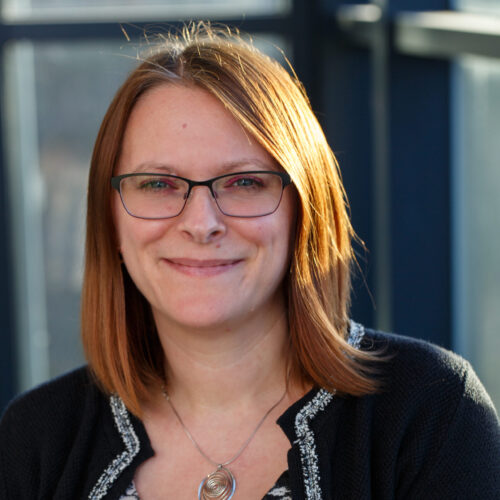
Dr Caroline Edwards joined the Smith Institute in 2008.
Caroline holds a PhD in structural topology optimisation and an MSc in Modern Applications of Mathematics both from the University of Bath.
Caroline’s areas of interest include numerical analysis, linear solver techniques, linear elasticity and finite element modelling.
Outside of work Caroline enjoys baking cakes, ice-skating, travelling to new places and hopes to make it to the Southern Hemisphere one day.
Dr Alex Evans
Senior Mathematical Consultant
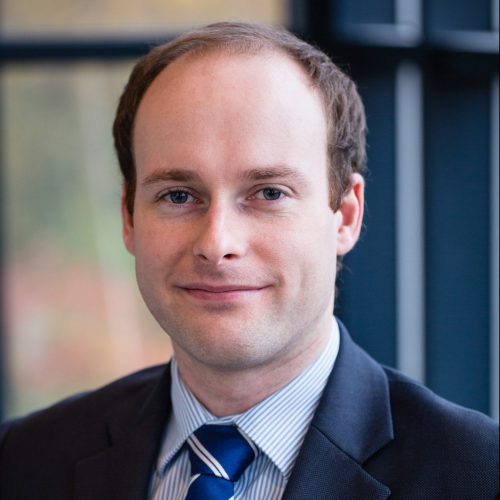
Alex Evans joined the Smith Institute in August 2017 following the completion of his PhD at the University of Cambridge focused on modelling uncertainty in porous media flows. Prior to this, he earned his MMath degree from the University of Oxford.
In his spare time he enjoys playing real tennis and, when the weather allows, cricket.
Dr Madeleine Hall
Mathematical Consultant
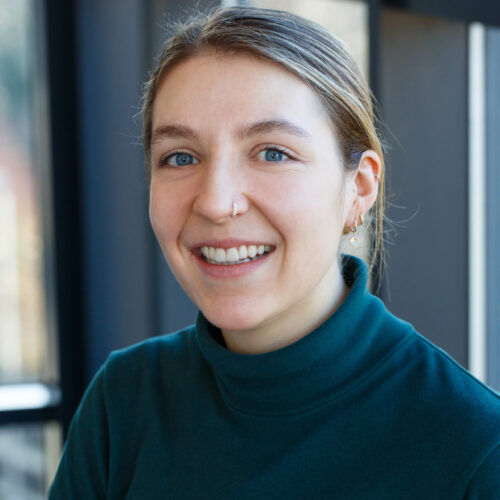
Dr Madeleine Hall joined Smith Institute in September 2023. She studied maths at the University of Edinburgh, before doing a masters in bioinformatics and a PhD in mathematical biology, both at Imperial College London. Her PhD research combined biofluid dynamics, computational micromechanics and the genetics of behaviour.
In her spare time, she is part of the team behind Chalkdust magazine, “the magazine for the mathematically curious”. Outside of maths, she can be found running, swimming or doing yoga.
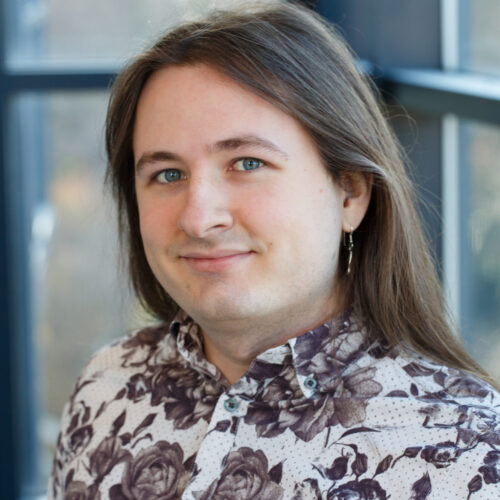
Jacob Hands
Mathematical Consultant
Jacob Hands joined the Smith Institute as a graduate in 2023. They hold a master’s degree in mathematics from the University of Oxford, specialising in topology, set theory, and formal logic.
Outside of work, they enjoy tabletop games, cryptic crosswords, and speaking the minimalist constructed language Toki Pona.
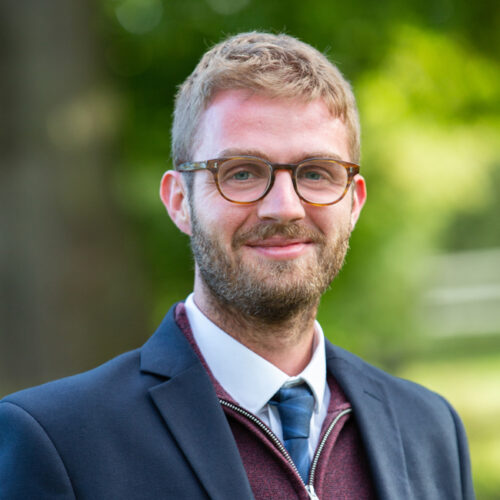
Edward Jones-Healey
Mathematical Consultant
Edward Jones-Healey joined the Smith Institute as a Mathematical Intern in July 2021. After completing a 6 month internship he continued working for the Smith Institute part-time as an intern whilst finishing his PhD. He completed his PhD in quantum algebra and representation theory at the University of Manchester in November 2023, and is now working for the Smith Institute as a Mathematical Consultant. He also holds Masters degrees in Theoretical physics and Mathematics from the University of Cambridge and University of Manchester respectively.
Outside of work he enjoys trail running and climbing
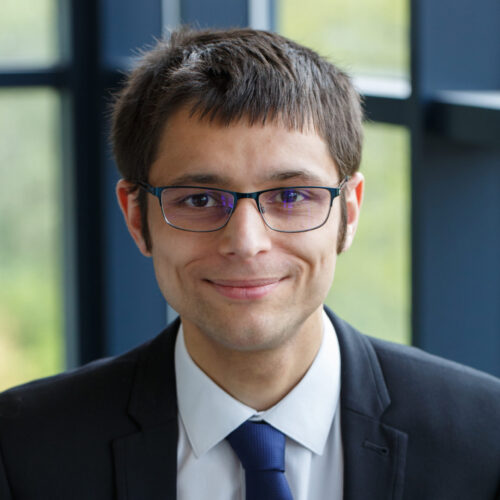
Dr Kieran Kalair
Senior Mathematical Consultant
Kieran joined the Smith Institute in April 2021. Before this, he completed his PhD at the University of Warwick, focusing on mathematical modelling and data-science problems in intelligent transportation systems. During his PhD, he worked with Thales, Jaguar Land Rover and Transport for the West Midlands on various transportation problems. Prior to this he completed a BSc in mathematics at Coventry University, and an MSc in mathematics for real world systems at the University of Warwick.
Outside of work he enjoys board games and football.
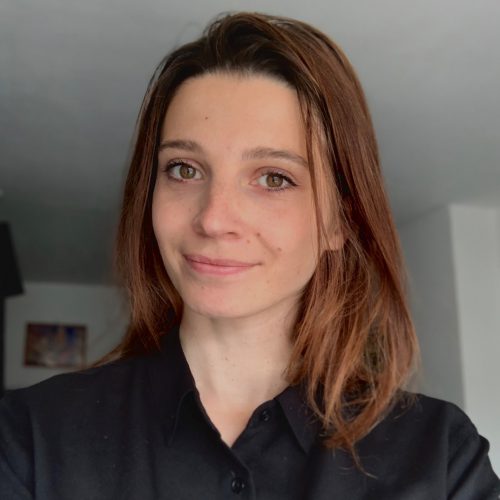
Nina Kearsey
Business Development Manager
Nina Kearsey joined the Smith Institute as Business Development Manager in June 2020. Prior to this she spent seven years at a boutique investment firm dedicated to shipping assets, where she occupied the roles of Financial Analyst and Head of Research.
Nina holds a MSci in Physics from Imperial College London, and an MSc in Theory and Simulation of Materials, also from Imperial.
In her spare time Nina enjoys reading (particularly epics), walks in the countryside, and watching Seinfeld and Star Trek reruns.
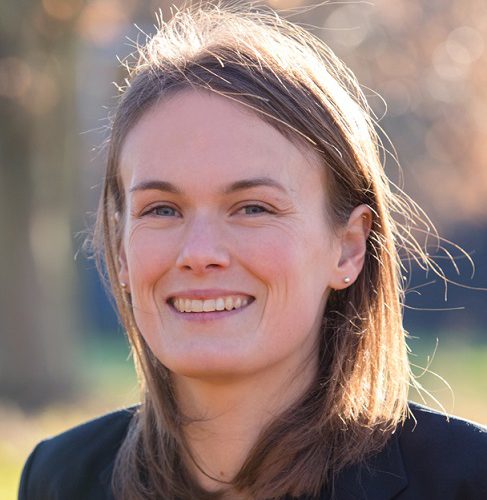
Dr Georgina Lang
Principal Consultant
Dr Georgina Lang joined the Smith Institute in February 2016. Previously she worked as a mathematician at a research and development consultancy, applying mathematical modelling techniques to a broad range of engineering and scientific applications.
Georgina holds an MMath and DPhil in mathematics from the University of Oxford, where her research focussed on modelling the mechanical behaviour of biological tissues.
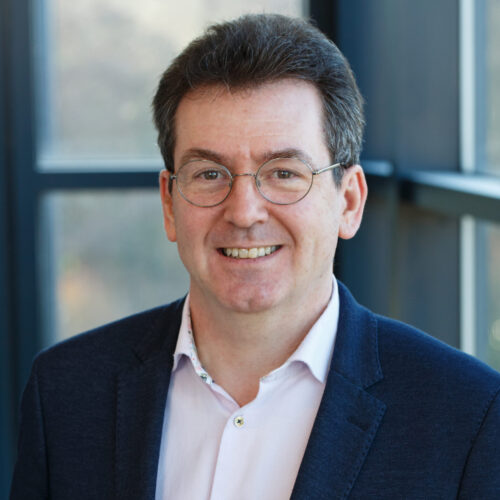
Dr Robert Leese
Chief Technical Officer
Dr Robert Leese was appointed as Chief Technical Officer in May 2017, and was previously Chief Executive of the Smith Institute and a member of its Board of Directors since 1999.
He previously held Research Fellowships at the Universities of Oxford and Cambridge, and a visiting position at Brown University.
Robert holds a PhD in mathematical physics from the University of Durham and has been a Fellow of St Catherine’s College, Oxford, since 1993. He is also a Fellow of the Institute of Mathematics and its Applications and a member of the Peer Review College of the Engineering and Physical Sciences Research Council.
Robert and and colleagues have published a paper on the use of mathematical optimisation tools in spectrum management to quantitatively evaluate the consequences of spectrum policies through scenario analysis: Unlocking the value of spectrum using optimization tools.
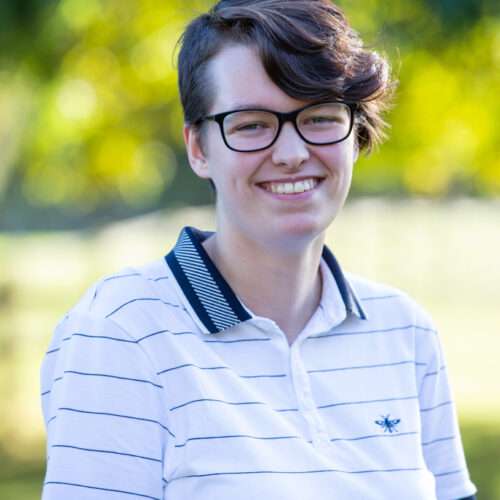
Hannah Lewis
IT Apprentice
Hannah joined the Smith Institute in August 2021 as an IT Apprentice, supporting Nigel and Caroline in an IT capacity, and will work towards a degree in Digital and Technology Solutions.
Outside of work she enjoys online gaming with friends and spending time with her two dogs. She loves watching films and frequently going to the cinema, especially to see superhero films since she has recently taken a liking to reading comics.
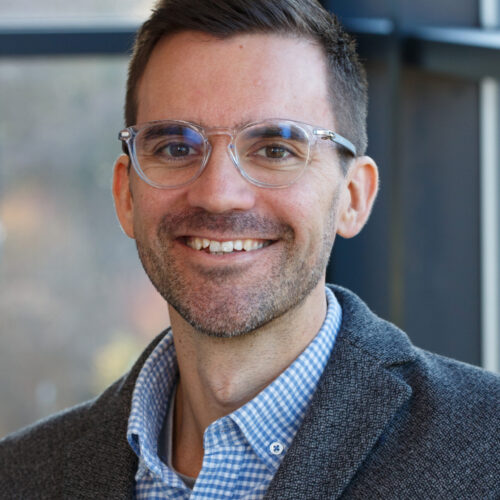
Charl van Loggerenberg
Director of Innovation and Operations
Charl started as Director of Innovation and Operations at Smith Institute in January 2024. He holds a Masters in Organisational Leadership from Regent University (USA), where he specialised in Strategic Planning and Organisational Development, in addition to his studies in the fields of coaching, information systems and auditing. Charl has contributed to academia as lecturer in the field of Brand Leadership and served as a Non-executive Director on the board of a data science organisation.
Charl is a keen golfer and loves exploring unchartered wilderness – which, ironically, is exactly where he usually finds himself on the golf course.
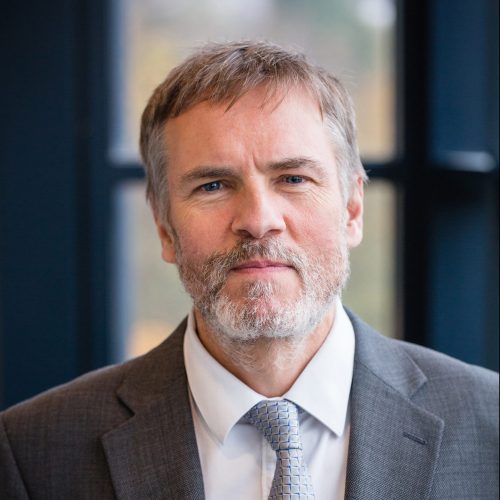
Nigel Marsh
Business Systems Manager
Nigel joined the Smith Institute in March 2017 in the role of IT Officer, supporting hardware and software management and all things IT.
Nigel has a BA in English and Philsophy from the University of Wales and a PGCE from the University of Bristol, specialising in English and English as a Foreign Language. He has worked in many diverse jobs, including teaching English in Germany, designing school computer systems and running an IT support company.
Outside work, Nigel enjoys listening to birdsong as he runs through the Oxfordshire countryside, playing the tuba with a local brass band, reading lots and going to the theatre.
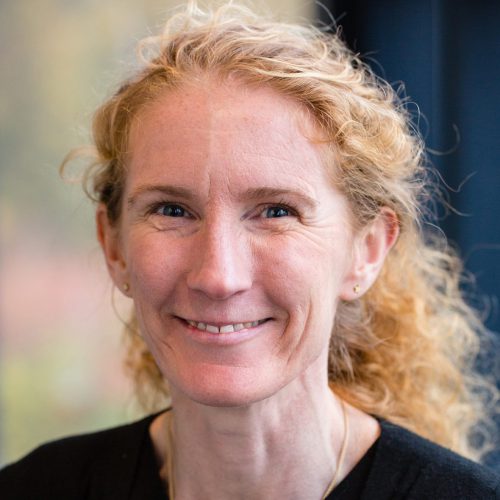
Claire Petworth
Administrative Assistant
Claire joined the Smith Institute in December 2019. She is working alongside Judy Reynolds, providing administrative support to the team.
Claire previously worked for the global FMCG company Reckitt Benckiser, but since starting a family, has gained an art degree and employment with her local Pre-school.
Claire enjoys walking her extremely energetic springer spaniel, spending time with her family, reading, taking photographs and creating a little bit of art when she finds the time!
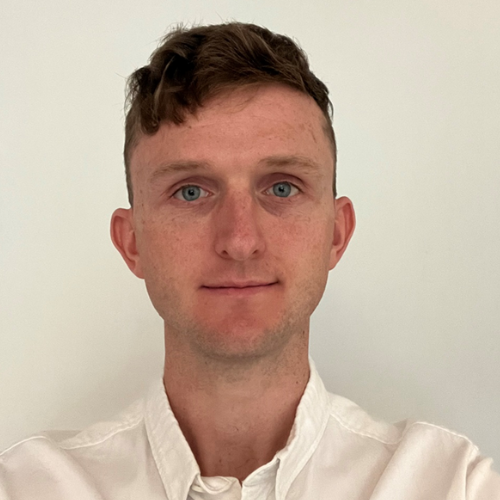
Dr Dominic Power
Mathematical Consultant
Dr Dominic Power joined the Smith Institute in August 2023 after completing a PhD in physics from Imperial College London. He researched problems related to particle and energy transport in magnetic fusion devices, which involves developing theoretical models and carrying out numerical simulations of plasmas in which many different processes acting on different temporal and spatial scales co-exist.
Prior to this he worked for Thales, initially as an R&D engineer and later as a systems engineer, working on a variety of projects in the transport and space industries. He also holds an MPhys from the University of Manchester.
Outside of work Dom is normally drumming, running, or dabbling in woodwork.
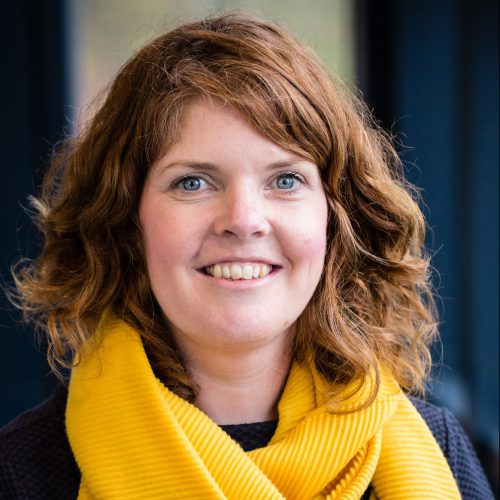
Judy Reynolds
Company Administrator & Executive Assistant
Judy Reynolds joined the Smith Institute in 2010.
She provides executive support for our CEO, Board and REMCO, liaises between Directors, staff and the Scientific Board, and manages the HR and Administrative team. She organises both internal and client-facing events and ensures the smooth running of our business.
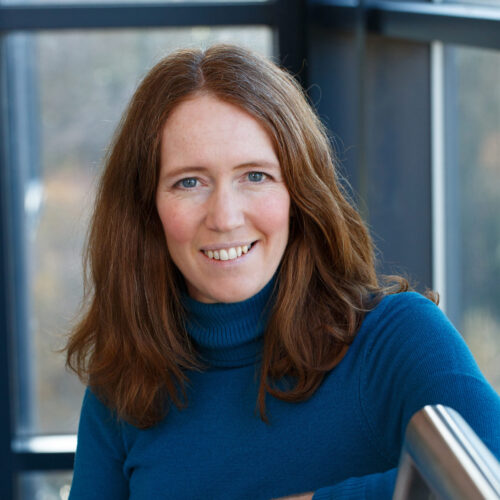
Louise Rhys
Business Development Manager
Louise Rhys joined the Smith Institute in January 2024 as a Business Development Manager.
She has a Bachelor of Arts in Mathematics and Drama from Rhodes University, a Post-Graduate Certificate in Education from the University of South Africa, specialising in Mathematics and is a part-qualified Management Accountant.
Prior to joining the Smith Institute, Louise gained 15 years of experience in the education sector, where she delivered lessons in numbers, life and logic to students between the ages of 11 and 18, as well as helping to train other staff members and delivering several school timetables. She also spent four years working for a financial services consultancy, helping to deliver and audit financial models.
In her spare time, Louise can usually be found outdoors, where she enjoys gardening and amateur entomology. She has been a member of the RHS for many years and will be once again taking part in the Big Butterfly Count in the summer.
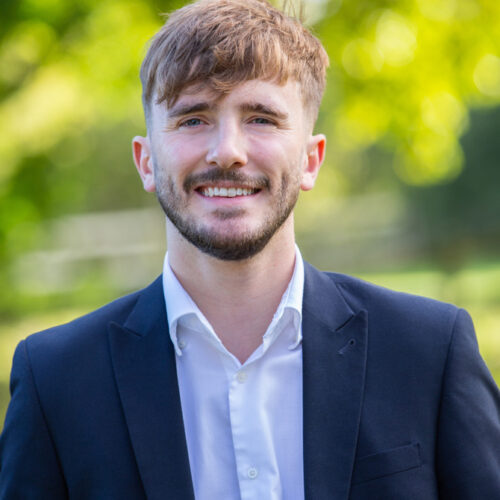
Jay Tarrant
Mathematical Consultant
Jay joined the Smith Institute in September 2022.
He holds an MSc in Statistical Science from the University of Oxford, and previously studied a BSc in Mathematics at the University of Leeds. As part of his MSc dissertation, he worked in the prestigious Simon Myers Group, assisting their research into genetic interactions.
Outside the office, Jay enjoys cycling, mixing music, and travelling. He spent a year in Australia as part of his degree and would love to go to Central and South America next.
Jay is a Mental Health First Aider for the Smith Institute after completing training with MHFA UK in November 2023.
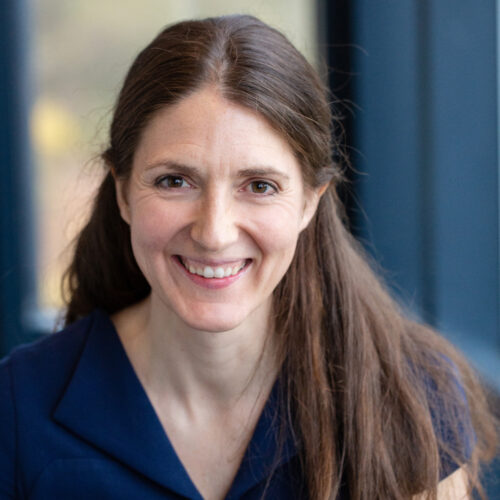
Melissa Tate
Commercial Director
Melissa Tate has spent her career working at the intersection of sales, marketing and product – with companies spanning educational technology, fintech, smart mobility and more.
She has an MBA from IE Business School in Madrid and a Bachelor of Arts from the University of Washington in Seattle.
Melissa joined the Smith Institute in 2021 to lead the Commercial Team and is laser-focused on tailoring Smith Institute products and services to meet customer needs.
In her spare time, she runs after two children and enjoys walks, skiing and learning the ukulele.
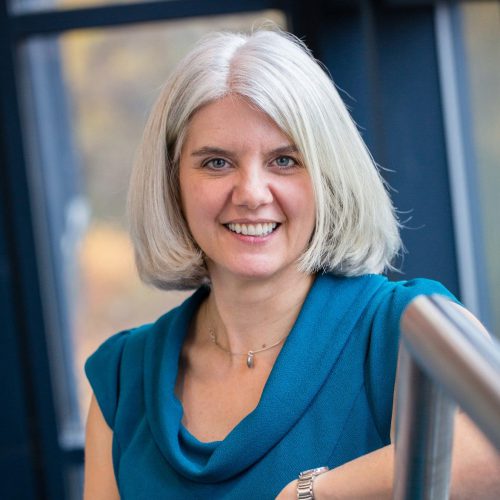
Dr Heather Tewkesbury
Chief of Strategic Relationships
Dr Heather Tewkesbury joined the Smith Institute in 2001, she was appointed Chief of Strategic Relationships in 2023. Prior to her current role, Heather was Chief Executive Officer from 2017-2023 and Business Development Director from 2006-2017.
Before joining the Smith Institute, Heather worked as a Modelling Development Manager for Cadbury Trebor Bassett, applying mathematics across all areas of the business.
Heather holds a PhD in modelling heat transfer from the University of Birmingham. She is a Chartered Mathematician, Fellow of the Institute of Mathematics and its Applications, sits on the advisory board for NAMS (National Academy for Mathematical Sciences) and was an impact assessor for the 2014 and 2021 Research Excellence Framework.
Her interests outside of work include playing violin and viola (but not at the same time), making cakes for friends and family, coldwater swimming and kayaking.
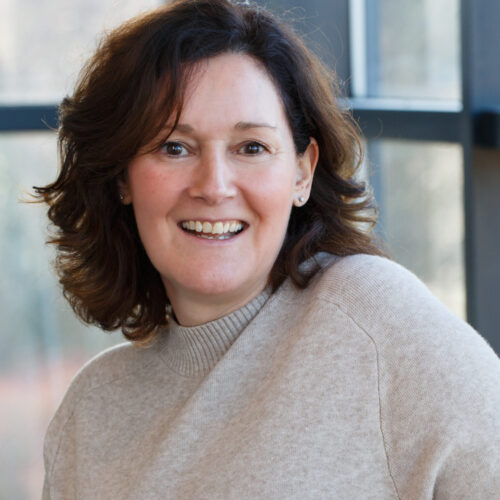
Stephanie Thurston
HR and Staff Engagement Manager
Stephanie Thurston joined the Institute in August 2021 to provide HR support to the Institute’s staff and is CIPD qualified and a Mental Health First Aider.
Steph started her HR career in GSK plc but more recently has been supporting not-for-profit start-up organisations and a leading independent school.
Steph enjoys walking her two dogs in the beautiful Berkshire countryside and spending time with her family and friends. She enjoys theatre, musicals and live music.
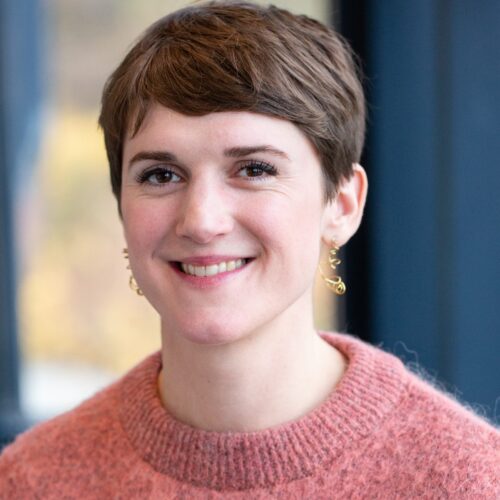
Dr Ruth Voisey
Chief Executive Officer
Dr Ruth Voisey joined the Smith Institute in November 2021. She was appointed Chief Executive Officer in 2023 and sits on the Board of Directors. Prior to her current role, Ruth was Technical Director and Head of Innovation Strategy from 2021-2023. This has positioned her perfectly to realise her clear vision and deep understanding of where we need to take our services to meet the needs of the future.
Before joining Smith Institute, Ruth spent seven years in the Research department at Dyson. She led global multidisciplinary teams, in acoustics and machine learning, to explore new markets and guide technologies from low to high technology readiness level for maximum impact.
Ruth has a PhD in Applied Mathematics from the University of Manchester, where she modelled acoustic wave propagation in periodic and quasiperiodic media. Ruth is a Fellow of the Institute of Mathematics and its Applications and sits on their Professional Affairs Committee. In her research leadership positions, Ruth also has extensive experience in Project Management, including a DSDM Agile Practitioner qualification.
Outside of work, Ruth spends lots of her time outside with her daughter or practicing yoga and exploring local independent coffee shops and restaurants. Music and festivals have always played a big part in her life. She used to work in festival production, but now just gets to enjoy them. Glastonbury is a firm favourite.
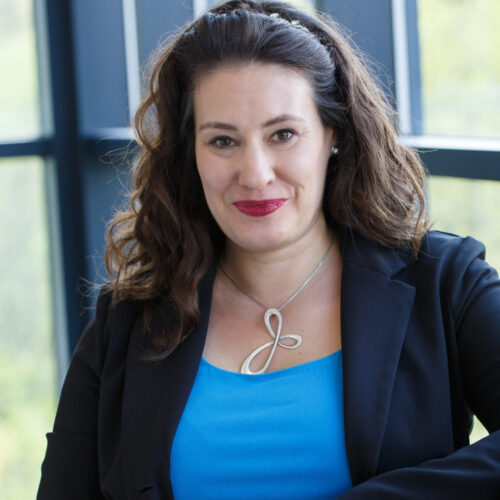
Catherine Ward
Senior Project Manager
Catherine joined the Smith Institute in 2022. Prior to this she has worked in the Space and Metrology industries, with 17 years of experience in Project Management.
She holds a BSc in Cybernetics and Control Engineering from the University of Reading, as well as being Association for Project Management qualified and PRINCE2 Practitioner Trained. She is also a Chartered Engineer.
In her spare time Catherine enjoys tango and lindy hop dancing, and being outside when it is sunny.
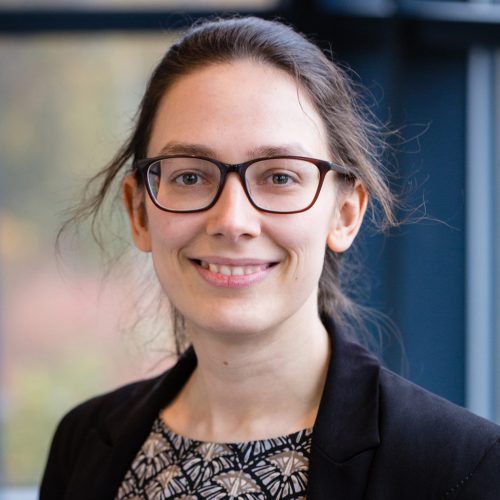
Dr Rachael Warrington
Senior Mathematical Consultant & Staff Development Lead
Dr Rachael Warrington joined the Smith Institute in October 2016. Before this, she was carrying out PhD research on modelling the effects on building temperatures of phase change materials (things that melt and solidify). She did this work at the University of Cambridge, where she also completed an MMath degree.
Outside of work, she enjoys knitting, dressmaking (her favourite project so far has been making her wedding dress), and being part of her local church.
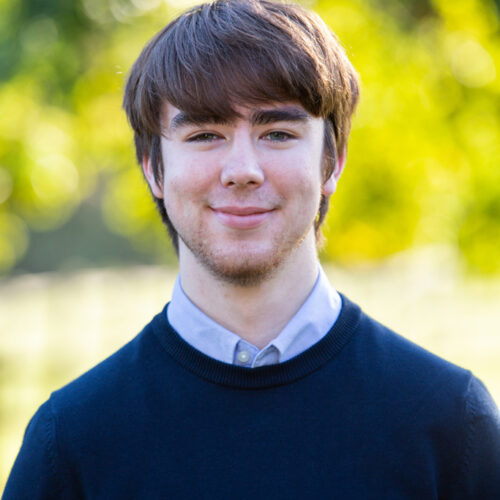
Craig Wightman
IT Apprentice
Craig joined the Smith Institute in October 2020 as an IT Apprentice, supporting Nigel and Caroline in an IT capacity, and will work towards a degree in Digital and Technology Solutions.
Outside of work, Craig enjoys everything in the world of technology. He is a keen sailor of both Dinghies and Yachts, regularly taking part in races, and is hoping to get qualified as a Dinghy Instructor. He also enjoys all things Sci-Fi.
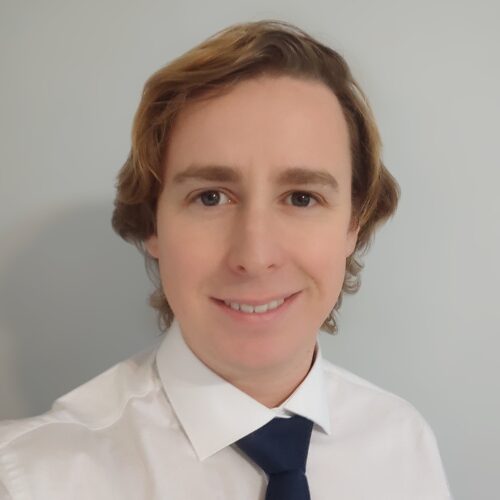
Dr Tom Wilson
Mathematical Consultant
Dr. Tom Wilson joined the Smith Institute in January 2023. He holds a PhD in Astrophysics from the University of Exeter, where he conducted research on the radiative transfer modelling of T Tauri stars. His work aimed to improve the current understanding of stellar evolution for Sun-like stars by comparing synthetic and observed atomic hydrogen spectra. Additionally, Dr. Wilson holds an MPhys degree from the University of Exeter, which he earned for his research on the direct imaging of exoplanets.
Tom is also an experienced mountain leader and first mate on tall ships. In his free time, he enjoys hiking, sailing, and reading.
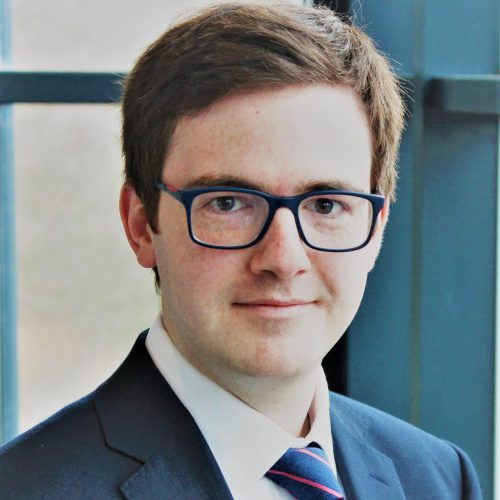
Dr Francis Woodhouse
Technical Director
Dr Francis Woodhouse joined the Smith Institute in August 2019. Francis previously spent six years working in applied mathematics and biophysics research at the universities of Cambridge, Oxford and Western Australia, including three years as a Fellow of Trinity College, Cambridge. He holds MMath and PhD degrees from the University of Cambridge.
In his downtime Francis is fond of consuming cryptic crosswords and classical music, ideally with a cup of coffee.
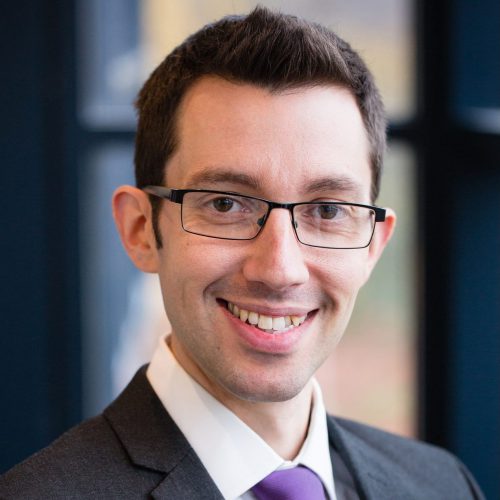
Dr David Wyncoll
Senior Mathematical Consultant
Dr David Wyncoll joined the Smith Institute in January 2017.
He previously worked as a Senior Statistician in the flood management group of HR Wallingford providing statistical support across the company, particularly focusing on estimating the likelihood of large-scale coastal flooding.
David holds an MMath in Mathematics from the University of Bath and a PhD in Statistics from Lancaster University on extreme value modelling and sequential Monte Carlo algorithms.
His interests outside of work include travelling the world and playing rock music on electric bass and guitar.

Dr David Allwright
Senior Mathematical Consultant
Dr David Allwright joined the Smith Institute in 2000.
He holds a PhD in Mathematics from the University of Cambridge and worked as a Research Fellow on control theory at the Universities of Cambridge and Toronto.
David’s technical interests then expanded at Topexpress Ltd to include signal processing, acoustics, vibration and other areas of fluid and solid mechanics, and then further, to other wave phenomena and probabilistic and Markov models at the University of Oxford and the Smith Institute. David joined the Smith Institute’s Scientific Board when it was established in 2014.